
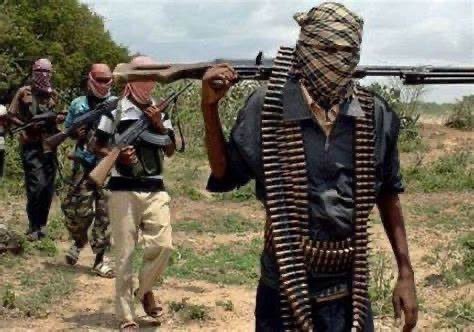
Nigeria, a nation brimming with potential, rich in culture, and blessed with a vibrant populace, is grappling with a crisis that strikes at the very heart of its existence.The pervasive devaluation of Nigerian lives, the rise of kidnapping and banditry, fueled by a complex interplay of socio-economic factors, political negligence, and a breakdown in law and order, has created a climate of fear and insecurity, eroding the fundamental right to life and dignity for millions of Nigerians.
The alarming rise of kidnapping and banditry once confined to specific regions, have spread into a nationwide epidemic, casting a long shadow of fear and uncertainty over the lives of ordinary Nigerians. From the forests of the North-west to the creeks of the Niger Delta, no region is immune to the terror unleashed by these criminal elements. South West is now the bride of the evil agents. Of late, Kwara State is witnessing its own fair share of terror, while Ondo State forest is equally abhorring the agents of dear a d destruction.
This lucrative criminal enterprise has become a major source of funding for criminal gangs and insurgents. Victims, often targeted based on their perceived wealth or social status, are abducted and held for ransom, with their families forced to negotiate with ruthless captors. The trauma inflicted on victims and their families is immeasurable, leaving lasting psychological scars and shattering the sense of security within communities.
In the North-west, North Central and South West regions, armed bandits terrorise rural communities, engaging in cattle rustling, looting, and mass killings. These attacks often target vulnerable populations, including farmers and herders, exacerbating existing ethnic and religious tensions and fueling cycles of violence. The economic impact of banditry is devastating, disrupting agricultural production, displacing communities, and hindering development. Many don’t know that the South- East security crisis is under reported. I witnessed the kidnapping of some FMCG managers around Enugu and it was an experience not too good to remember.
The Boko Haram and ISWAP insurgency in the North continues to pose a significant threat to the lives and livelihoods of millions of Nigerians. Despite efforts by the military to combat the insurgency, Boko Haram and its splinter groups continue to carry out attacks on civilian targets, including schools, markets, and places of worship. The insurgency has displaced millions of people, creating a humanitarian crisis of immense proportions.
The rise of kidnapping and banditry in Nigeria is a complex phenomenon with deep-rooted causes. Understanding these underlying factors is crucial for developing effective strategies to address the crisis.
Widespread poverty (Alimanjiri in the North, unemployment in the South) and economic inequality create a breeding ground for crime and violence. Desperate individuals, particularly young people, may turn to kidnapping and banditry as a means of survival, driven by a lack of opportunities and a sense of hopelessness. The unequal distribution of wealth and resources fuels resentment and social unrest, contributing to the breakdown of law and order.
High rates of unemployment, particularly among young people, exacerbate the problem of poverty and desperation. Without access to education, skills training, and employment opportunities, young people are vulnerable to recruitment by criminal gangs and insurgent groups. The lack of economic opportunities creates a sense of marginalisation and disenfranchisement, making young people susceptible to extremist ideologies.
Weak governance and corruption undermine the rule of law and create an environment of impunity. When government officials are corrupt and unaccountable, criminals are able to operate with impunity, knowing that they are unlikely to be held accountable for their actions. Corruption also diverts resources away from essential services, such as education, healthcare, and security, further exacerbating the problem of poverty and inequality.
The erosion of law and order is a major factor contributing to the rise of kidnapping and banditry. When the police and other security agencies are unable to effectively protect citizens and enforce the law, criminals are emboldened to commit crimes with impunity. The lack of trust in the justice system also discourages victims from reporting crimes, further undermining law enforcement efforts.
The easy — availability — of small arms and light weapons fuels violence and insecurity. These weapons are often smuggled across borders and into the hands of criminal gangs and insurgent groups. The proliferation of weapons makes it easier for criminals to carry out attacks and makes it more difficult for security agencies to maintain law and order.
Ethnic and religious tensions also contributed to the rise of kidnapping and banditry. (The Fulani narrow understanding of having rights to all lands in Nigeria). In some cases, criminal gangs and insurgent groups exploit existing ethnic and religious divisions to recruit members and mobilise support. These tensions can also lead to targeted attacks on specific ethnic or religious groups, further exacerbating the problem of violence and insecurity.
The rise of kidnapping and banditry has far-reaching and devastating consequences for individuals, communities, and the nation as a whole. We are all feeling the brunt and heat of all these wanton killing of people. Though we focus more on the killing in the North and South West, the South East is also bleeding. Nigeria needs more systematic approach of handling this problem without external engagement.
The most immediate and tragic consequence of kidnapping and banditry is the loss of lives. Victims are often killed during abduction attempts or while in captivity. Even when victims are released, they may suffer from physical injuries, trauma, and long-term health problems. The constant threat of violence and death creates a climate of fear and insecurity, eroding the quality of life for millions of Nigerians.
Kidnapping and banditry can have a devastating impact on the mental health of victims and their families. Victims may suffer from post-traumatic stress disorder (PTSD), anxiety, depression, and other mental health issues. The trauma of abduction and captivity can leave lasting psychological scars, making it difficult for victims to return to normal life. Families of victims also suffer from anxiety, fear, and grief, often requiring psychological support to cope with kidnapping and banditry disrupt economic activity and displace communities. Farmers are unable to cultivate their land, traders are unable to conduct business, and families are forced to flee their homes in search of safety. This displacement creates a humanitarian crisis, with millions of people in need of food, shelter, and medical assistance. The economic impact of kidnapping and banditry is significant, hindering development and exacerbating poverty.
The rise of kidnapping and banditry erodes trust in government and institutions. When the government is unable to protect its citizens from crime and violence, people lose faith in the ability of the state to provide security and maintain law and order. This lack of trust can lead to social unrest and political instability, undermining the legitimacy of the government.
The rise of kidnapping and banditry damages Nigeria’s international image (America and Nigeria relationship), deterring foreign investment and tourism. The perception of Nigeria as a dangerous and unstable country makes it difficult to attract foreign capital and expertise, hindering economic development. The negative publicity associated with kidnapping and banditry also undermines Nigeria’s efforts to promote itself as a destination for tourism and investment.
Addressing the crisis of kidnapping and banditry requires a comprehensive and multi-faceted approach that tackles the root causes of the problem and strengthens the capacity of the state to protect its citizens.
The government must invest in strengthening law enforcement and security agencies, providing them with the resources, training, and equipment they need to effectively combat crime and maintain law and order. This includes increasing the number of police officers l, the military increases numerically , improving their training and equipment, and enhancing their intelligence gathering capabilities. The government must also strengthen the capacity of the military to respond to security threats, particularly in areas affected by insurgency and banditry.
The government must implement policies to address poverty and economic inequality, creating opportunities for all Nigerians to improve their living standards. This includes investing in education, skills training, and job creation programs, as well as providing social safety nets for vulnerable populations. The government must also promote inclusive economic growth that benefits all segments of society, reducing the gap between the rich and the poor.
The government must promote good governance and accountability, ensuring that public officials are held accountable for their actions. This includes strengthening anti-corruption institutions, promoting transparency in government operations, and ensuring that the rule of law is upheld. The government must also create a culture of accountability within the security agencies, ensuring that officers who abuse their power are held responsible.
The government must take steps to combat the proliferation of small arms and light weapons, working with neighboring countries to control the flow of weapons across borders. This includes strengthening border security, cracking down on arms smuggling, and implementing programs to collect and destroy illegal weapons. The government must also work to address the underlying causes of violence, such as poverty and inequality, which fuel the demand for weapons.
The government must promote dialogue and reconciliation among different ethnic and religious groups, addressing the underlying tensions that can lead to violence. This includes creating platforms for dialogue, promoting interfaith understanding, and working to resolve disputes peacefully. The government must also address the grievances of marginalized communities, ensuring that they have a voice in decision-making processes.
The government must provide support to victims of kidnapping and banditry, including medical care, psychological counseling, and financial assistance. This includes establishing victim support centers, providing access to mental health services, and offering financial assistance to help victims rebuild their lives. The government must also work to ensure that victims are treated with dignity and respect, and that their rights and protection.
The devaluation of Nigerian lives through kidnapping and banditry is a crisis that demands urgent and sustained action. By addressing the root causes of the problem, strengthening law enforcement and security agencies, promoting good governance and accountability, and engaging communities in security efforts, Nigeria can begin to restore value to Nigerian lives and create a safer and more prosperous future for all its citizens. The time for complacency is over. The future of Nigeria depends on its ability to protect the lives and dignity of its people.
The rise in kidnapping and banditry is not just a security issue; it is a moral crisis that strikes at the very heart of Nigerian society. It is a reflection of the deep-seated inequalities, injustices, and failures of governance that have plagued the nation for too long. Addressing this crisis requires a fundamental shift in mindset, a renewed commitment to the rule of law, and a collective determination to build a society where every Nigerian life is valued and protected.