
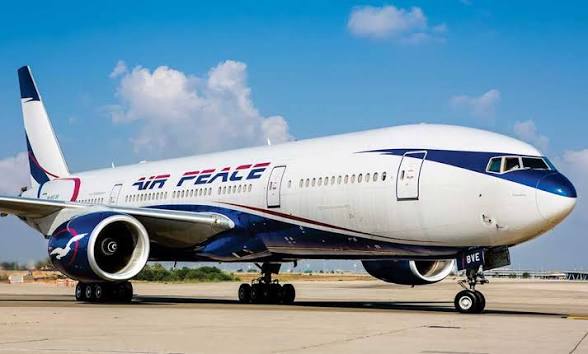
The Nigeria Civil Aviation Authority (NCAA) Monday announced the temporary suspension of its planned enforcement of the “no pay, no service” directive against airlines with outstanding statutory remittances, citing ongoing consultations and the rising cost of aviation fuel affecting airline operators across Nigeria
The Authority, clarified in a statement issued in Abuja noted that the suspension does not amount to a waiver, cancellation, or forgiveness of the debts owed by affected airlines, stressing that operators remain fully responsible for settling all outstanding statutory obligations.
The NCAA, asserted that structured engagements would continue with individual airlines to ensure debt recovery in a manner that supports compliance while preserving operational stability within the sector.
Recalled that President Bola Ahmed Tinubu had earlier approved a 30 per cent discount on outstanding fees owed by domestic airlines to aviation agencies, including the NCAA, as part of measures aimed at cushioning the effects of the high cost of Jet A1 fuel and stabilising the aviation sector.
It further explained that the five per cent Ticket and Cargo Sales Charge remains a statutory requirement under the Civil Aviation Act and is embedded in the cost of air travel and cargo services in Nigeria.
Noting that the charge is collected by airlines at the point of ticket and cargo sales on behalf of the aviation ecosystem and is expected to be remitted accordingly, stressing that the funds do not constitute airline revenue or operating profit.
According to NCAA, “the remitted funds are shared among the regulator and other key aviation service providers responsible for maintaining safe, efficient, and internationally compliant aviation operations.”
It further explained that it operates on a cost recovery basis and does not receive direct Federal Government funding for its routine regulatory responsibilities, making statutory charges critical for sustaining oversight functions.
The NCAA maintained that the temporary suspension of the enforcement measure was carefully calibrated to avoid disruption in the aviation industry while ensuring that airlines eventually fulfil their financial obligations to the sector.